

Views: 0 Author: Site Editor Publish Time: 2026-03-19 Origin: Site


Pumps are essential equipment in many industrial systems, yet two pumps that appear similar in a catalog can behave very differently once they are installed in real operating environments. One of the most common comparisons buyers make is between horizontal and vertical centrifugal pumps. Understanding the differences between these two designs helps engineers and plant operators choose equipment that suits their working conditions. Among the most widely used industrial designs is the horizontal centrifugal pump, which is known for its stable operation, convenient maintenance, and broad range of applications. Shanghai JUSH Pump Manufacturing Co., Ltd., a professional pump manufacturer with more than 15 years of experience, has developed centrifugal pump solutions that are widely used in chemical, industrial, and fluid transfer systems across global markets.
The first and most obvious difference between horizontal and vertical centrifugal pumps is the orientation of the pump shaft. Although this may seem like a simple structural detail, it affects nearly every aspect of how the pump operates, how it is installed, and how it is maintained.
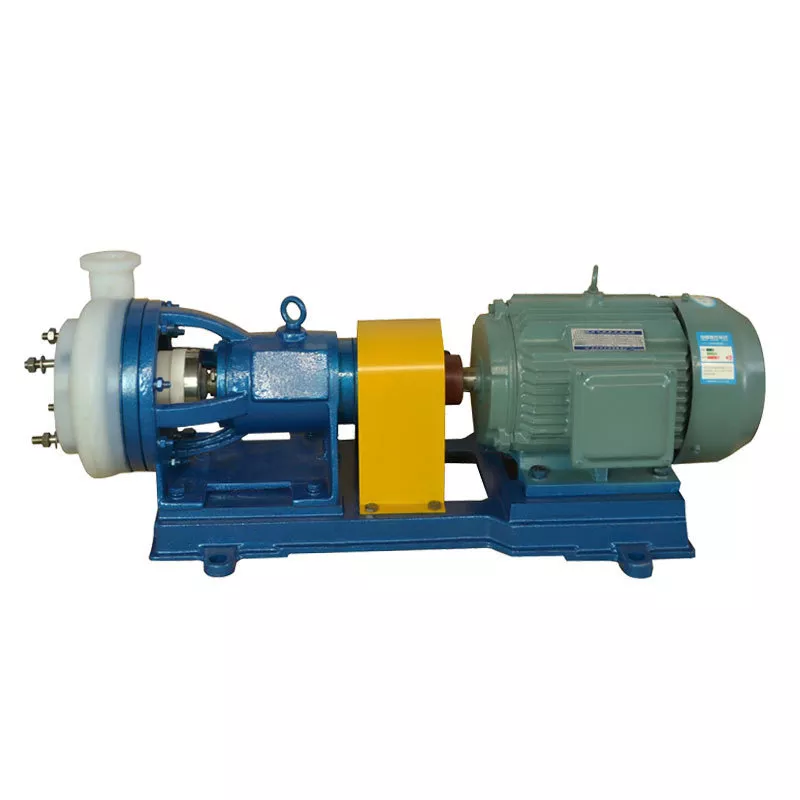
A horizontal centrifugal pump is designed with its shaft positioned horizontally. The motor and the pump are typically aligned on the same base frame, with the impeller rotating along a horizontal axis. This configuration distributes mechanical loads evenly across the pump housing and base.
Because of this structure, horizontal pumps are generally stable during long operating cycles. The base-mounted configuration also allows for solid alignment between the motor and the pump, which contributes to smoother operation and reduced vibration.
A vertical centrifugal pump, as the name suggests, has its shaft arranged vertically. In this layout, the motor is usually located above the pump casing, and the impeller rotates along a vertical axis. This design allows the pump to occupy less floor space.
Vertical pumps are commonly installed in applications where space limitations are a concern or where the pump must draw fluid from a sump or tank below the installation point.
The orientation of the shaft influences not only the internal pump structure but also how the entire system is designed. Piping layouts, foundation requirements, and maintenance access all change depending on whether the pump is horizontal or vertical.
In industrial plants where reliability and accessibility are important, the horizontal design often becomes the preferred choice because it offers balanced mechanical support and easier inspection.
Pump selection is often influenced by installation conditions. Even if two pumps have similar hydraulic performance, their installation requirements may lead to very different practical outcomes.
Horizontal centrifugal pumps typically require more floor space because the motor and pump are arranged side by side on a base. However, this layout provides a stable platform that simplifies alignment and reduces mechanical stress during operation.
Vertical pumps require less floor space because they extend upward rather than outward. In facilities with limited installation area, this compact footprint can be beneficial.
The piping arrangement is another important factor. Horizontal pumps generally connect to pipelines through side-mounted suction and discharge nozzles. This arrangement often makes pipe alignment easier during installation.
Vertical pumps may require different pipe routing strategies because their suction inlet may be located at the bottom of the pump. This design can complicate installation if the surrounding piping system was not originally designed for vertical equipment.
Maintenance access is a practical concern for most industrial operators. Horizontal pumps typically allow technicians to access key components such as seals, bearings, and couplings without dismantling the entire system.
This accessibility simplifies routine inspections and repairs. In plants that operate continuously, easy maintenance can significantly reduce downtime and maintenance costs.
Maintenance practices vary between pump designs, and these differences can influence long-term operating costs.
Horizontal centrifugal pumps usually place their rotating components in positions that are relatively easy to access. Bearings and mechanical seals can often be inspected or replaced without removing the pump from its base.
Vertical pumps sometimes require more extensive disassembly to reach internal components. This can increase the time needed for maintenance procedures.
Downtime is costly for any production facility. Pumps that require complicated maintenance procedures may lead to longer interruptions in the process.
Horizontal centrifugal pumps are often preferred in large industrial plants because their service-friendly design allows maintenance teams to address issues quickly.
Technicians responsible for maintaining pumps typically value equipment that allows straightforward inspection and repair. When pumps are easier to service, maintenance teams can detect potential issues earlier and perform preventive maintenance more effectively.
For facilities with high equipment utilization rates, the ability to maintain pumps efficiently is a significant operational advantage.
While the structural and maintenance differences between pump designs are important, real-world performance is also a major factor.
Both horizontal and vertical centrifugal pumps can handle a wide range of flow rates depending on their design. However, horizontal pumps are often selected for general process duties where consistent fluid transfer is required.
Their stable structure supports continuous operation and predictable hydraulic performance.
Clean liquids such as water or low-viscosity fluids can usually be handled by either pump type. However, when liquids become more challenging, pump design plays a larger role.
Horizontal centrifugal pumps are frequently used in chemical or industrial processes where reliability and corrosion resistance are required.
Certain industrial fluids contain dissolved gases, suspended solids, or corrosive chemicals. Pumps used in these environments must be designed to withstand harsh operating conditions.
Specialized horizontal pump models, including corrosion-resistant variants, are widely used in these demanding applications because their materials and structures can be optimized for chemical compatibility.
Although both pump types serve important roles, there are several situations where horizontal pumps are especially suitable.
Many industrial facilities require pumps for transferring liquids between tanks, reactors, and pipelines. Horizontal centrifugal pumps provide reliable flow for these everyday operations.
Their stable mechanical design makes them well suited for long-term continuous service.
Chemical processing environments often require pumps made from corrosion-resistant materials. Horizontal pump designs can incorporate materials such as fluoroplastic alloys or stainless steel to handle aggressive media.
These specialized materials help protect the pump from chemical attack and extend equipment life.
Large plants often operate around the clock. Equipment that can be maintained quickly helps minimize downtime and maintain production efficiency.
Horizontal centrifugal pumps are often chosen for such facilities because their structure simplifies inspection and repair procedures.
Although horizontal pumps are widely used, vertical pumps also offer advantages in certain situations.
Facilities with limited floor space may choose vertical pumps because they occupy less horizontal area. This compact design can be useful in crowded mechanical rooms or infrastructure systems.
Vertical pumps are commonly used in sump applications where the pump must draw fluid from a tank or pit located below the equipment. Their vertical configuration allows them to operate efficiently in these conditions.
Sometimes the overall system layout determines the pump type. If the piping system or facility design is already configured for vertical equipment, a vertical pump may integrate more easily.
The following table summarizes several practical differences between horizontal and vertical centrifugal pumps.
Factor | Horizontal Centrifugal Pump | Vertical Centrifugal Pump |
Shaft orientation | Horizontal | Vertical |
Footprint | Usually larger floor area | Usually smaller floor area |
Maintenance access | Easier inspection and service | Maintenance can be less accessible |
Installation style | Base-mounted design | Inline or vertical layout |
Typical strength | Versatile and service-friendly | Space-saving configuration |
Selecting the right pump requires evaluating several technical and operational factors.
The characteristics of the fluid being transported play a major role in pump selection. Corrosive liquids, high temperatures, or suspended solids may require specialized pump materials and designs.
Understanding the fluid properties helps determine whether a horizontal or vertical pump configuration is more appropriate.
Maintenance requirements should always be considered before installing new equipment. Pumps that are easy to service can reduce operational disruptions and maintenance costs.
Horizontal centrifugal pumps often provide advantages in this area due to their accessible component layout.
While installation space may influence pump selection, long-term reliability and maintenance costs are equally important. Pumps that offer stable operation and easy service can deliver better value over time.
Understanding the structural and operational differences between pump designs helps industrial users make more informed equipment decisions. A horizontal centrifugal pump is widely chosen in many industries because it offers stable mechanical support, convenient maintenance access, and flexibility across a wide range of applications. Shanghai JUSH Pump Manufacturing Co., Ltd. continues to supply high-quality centrifugal pump solutions for customers throughout the Middle East, Southeast Asia, Europe, and the United States. With more than 15 years of experience in pump manufacturing and fluid control technology, JUSH Pump supports industries that depend on reliable liquid transportation. If your facility is evaluating pump configurations for chemical transfer, water circulation, or industrial process systems, our team is ready to assist. Contact us to learn more about our pump models and discover how a industrial centrifugal pump solution from JUSH Pump can support your operations.
The main difference is the orientation of the pump shaft. Horizontal pumps have a horizontally aligned shaft and are usually base-mounted, while vertical pumps have a vertical shaft and often occupy less floor space.
Horizontal centrifugal pumps are generally easier to maintain because their components are more accessible for inspection and repair.
Yes. When built with corrosion-resistant materials such as fluoroplastic or stainless steel, horizontal centrifugal pumps can safely handle various chemical liquids.
Vertical pumps are commonly used when installation space is limited or when fluid must be pumped from a sump or underground tank.