

Views: 0 Author: Site Editor Publish Time: 2025-10-23 Origin: Site


Understanding the distinction between sewage pumps and sewage ejector pumps is crucial for effective wastewater management. While both types of pumps serve the essential function of moving wastewater, they are designed for different applications and have unique features. Sewage pumps excel in high-flow, low-pressure scenarios, making them ideal for short-distance transfers in residential settings. In contrast, sewage ejector pumps are built for low-flow, high-pressure situations, capable of handling solid waste and transporting it over longer distances or uphill. This article will explore the key differences between these two pump types, helping you make informed decisions for your wastewater systems.
Sewage pumps are designed primarily for moving large volumes of wastewater efficiently over short distances. They excel in high-flow, low-pressure scenarios, making them ideal for residential and small commercial settings. Typically, these pumps handle flows up to 200 gallons per minute but do not generate high discharge pressure. This characteristic suits them for transferring sewage from homes or small businesses to nearby septic tanks or sewer lines without needing to overcome significant elevation changes or long pipe runs.
Unlike some other pumps designed for tougher waste management, sewage pumps usually feature a non-grinding mechanism. They rely on an impeller or vortex design that uses centrifugal force to move wastewater. This setup works well when the wastewater is relatively free of large solids or fibrous materials, as the pump does not shred or grind solids. This design reduces mechanical complexity and maintenance needs but means sewage pumps are best suited for handling clear or lightly contaminated wastewater rather than heavy solids.
Sewage pumps find their primary use in settings where wastewater needs to be moved efficiently but without the challenges posed by solid waste or long-distance pumping. Common applications include:
● Residential Homes: Moving wastewater from household plumbing fixtures to septic tanks or municipal sewer connections.
● Small Commercial Facilities: Serving buildings with moderate sewage volumes such as small offices, restaurants, or retail outlets.
● Short-Distance Transfers: Ideal when the sewage disposal point is nearby, typically within a few hundred feet and with minimal elevation gain.
Their design simplicity and effectiveness in these roles make sewage pumps a cost-effective and reliable choice for many everyday wastewater management needs.
When selecting a sewage pump, ensure your wastewater system does not contain large solids; non-grinding pumps perform best with clear or lightly contaminated water to avoid clogging and ensure efficient operation.
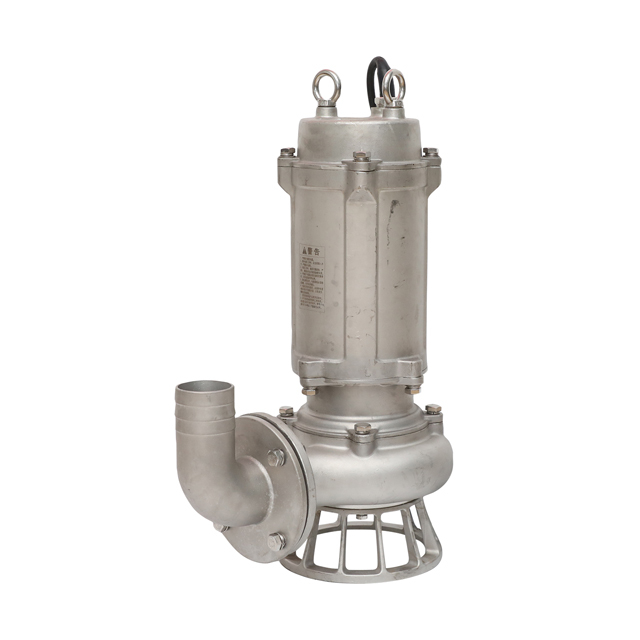
Sewage ejector pumps are designed to handle wastewater over longer distances or higher elevations. Unlike sewage pumps, they operate in low-flow, high-pressure scenarios. This means they move smaller volumes of sewage but push it with greater force. This capability is essential when wastewater must be lifted from basement-level plumbing or pumped uphill to municipal sewer lines. Their motors generate enough pressure to overcome significant vertical lifts and extended pipe runs, making them ideal for challenging installations.
A standout feature of sewage ejector pumps is their grinding mechanism. These pumps include blades or cutters that shred solid waste into smaller particles or slurry before pumping. This grinding action prevents clogs caused by fibrous materials, paper, or other solids common in household wastewater. By breaking down solids, ejector pumps ensure smooth flow through narrow pipes and reduce the risk of blockages. This feature is crucial for maintaining reliable operation in systems that receive toilet waste, laundry lint, or kitchen scraps.
Sewage ejector pumps are widely used in commercial buildings, municipal facilities, and large residential complexes where wastewater must be transported under pressure. Typical applications include:
● Basement Bathrooms and Laundry Rooms: Where fixtures lie below the main sewer line, making gravity drainage impossible.
● Municipal Sewer Systems: Pumping sewage from low-lying areas to treatment plants or higher sewer mains.
● Commercial Facilities: Handling wastewater from restaurants, hotels, or office buildings that require high-pressure pumping to move waste efficiently.
Their robust design and grinding capability make them suitable for heavy-duty use, ensuring consistent performance in demanding environments.
When installing a sewage ejector pump, ensure the grinding mechanism matches the expected solid waste type to prevent premature wear and maintain efficient operation.
Sewage pumps and sewage ejector pumps differ significantly in how far and high they can move wastewater. Sewage pumps are best suited for short distances and low elevations. They efficiently push large volumes of wastewater but lose effectiveness when the sewage must travel far or uphill. Typically, sewage pumps handle distances up to a few hundred feet and modest elevation gains, making them ideal for residential or small commercial setups where the disposal point is nearby.
In contrast, sewage ejector pumps excel at moving wastewater over long distances and steep vertical lifts. They generate higher discharge pressure, allowing them to pump sewage from basement-level fixtures or low-lying areas up to main sewer lines or treatment plants located at much higher elevations. This capability makes ejector pumps essential for applications where gravity drainage is impossible or insufficient.
Another key difference lies in how these pumps manage solids. Sewage pumps use a non-grinding impeller design that moves wastewater containing small solids but cannot handle large or fibrous materials effectively. They rely on the sewage being relatively free of heavy solids to avoid clogging or damage. This makes sewage pumps suitable for systems where wastewater is mostly liquid with minimal debris.
Sewage ejector pumps, however, are equipped with grinding mechanisms that shred solid waste into smaller particles before pumping. This feature prevents clogs caused by materials like paper, fibers, or food scraps. The grinding action ensures smooth flow through narrow pipes and long runs, maintaining reliable operation even in systems with heavy solid waste content. This makes ejector pumps indispensable in commercial, municipal, or multi-unit residential systems where wastewater contains diverse solids.
Given these functional differences, each pump type fits distinct wastewater systems. Sewage pumps are ideal for residential homes or small businesses with straightforward wastewater needs. They work well when the sewage disposal point is close, and solids content is low, such as in single-family homes connected to septic tanks or nearby sewer lines.
Sewage ejector pumps suit more complex or demanding systems, including municipal infrastructure, large commercial buildings, or multi-family residences. They handle basement bathrooms, laundry rooms, or facilities where wastewater must be lifted against gravity and transported over long distances. Their grinding ability and high-pressure operation make them reliable in challenging environments where sewage contains varied solids and requires robust pumping.
When selecting a pump, match its pressure and solids-handling capabilities to your system’s distance, elevation, and waste composition to ensure efficient, clog-free operation.
When your wastewater system involves moving sewage over short distances or with minimal elevation gain, a sewage pump is often the best choice. These pumps excel in high-flow, low-pressure scenarios, making them ideal for residential homes or small commercial buildings. If your setup involves transferring wastewater to a nearby septic tank or sewer line within a few hundred feet, a sewage pump’s non-grinding mechanism will efficiently handle mostly liquid waste with small solids.
Key points to consider include:
● Distance: Typically under 750 feet.
● Elevation: Minimal vertical lift required.
● Waste Type: Mostly liquid with limited solids.
● Cost Efficiency: Lower upfront and maintenance costs due to simpler design.
Using a sewage pump in these conditions ensures reliable operation without the complexity or expense of grinding mechanisms.
If your system demands pumping wastewater over long distances or significant vertical lifts, a sewage ejector pump is the better option. These pumps generate high pressure and include grinding mechanisms to break down solids, preventing clogs and facilitating smooth flow through extended piping networks.
Consider ejector pumps when:
● Distance: Wastewater must travel hundreds of feet.
● Elevation: Significant vertical lift, such as from basement fixtures.
● Waste Type: Contains solids like toilet waste, paper, or fibrous materials.
● System Complexity: Municipal, commercial, or multi-family buildings with challenging layouts.
Though ejector pumps typically have higher installation and maintenance costs, their robust design ensures dependable performance in demanding environments.
Choosing the right pump means matching its capabilities to your system’s unique needs. Evaluate the following factors carefully:
● Waste Composition: If solids are prevalent, opt for a grinding ejector pump to avoid blockages.
● Pump Location: Basement or below-grade fixtures often require ejector pumps.
● Pipe Layout: Long runs or multiple turns favor pumps with higher pressure output.
● Local Codes: Some jurisdictions mandate specific pump types for certain applications.
● Maintenance Capacity: Consider your ability to perform routine upkeep or hire professionals.
By analyzing these elements, you can select a pump that balances efficiency, reliability, and cost-effectiveness for your wastewater system.
Always assess your system’s distance, elevation, and waste types before selecting a pump to ensure optimal performance and avoid costly replacements.
Sewage pumps are generally easier and quicker to install compared to ejector pumps. They are typically placed in a sump basin or a sewage pit close to the source of wastewater. The installation site should be accessible for routine checks and maintenance. Since sewage pumps handle wastewater over short distances and low elevations, the piping system usually involves straight, short runs with minimal vertical lift.
Key installation considerations include:
● Proper Basin Size: The sump or sewage pit must be large enough to accommodate the pump and allow wastewater to accumulate without overflowing.
● Ventilation: While sewage pumps do not require specialized ventilation, the pit should be properly vented to prevent gas buildup.
● Electrical Connections: The pump needs a dedicated power source with proper grounding and a waterproof electrical connection to ensure safety.
● Check Valve Installation: A check valve on the discharge line prevents backflow, protecting the pump from damage.
● Accessibility: Position the pump for easy removal during maintenance or replacement.
Because sewage pumps do not grind solids, the system should avoid introducing large debris or fibrous materials that can clog or damage the pump.
Sewage ejector pumps demand more complex installation due to their role in moving wastewater against gravity and over longer distances. They are installed inside sealed, vented basins designed to hold both liquids and solids. Proper venting is critical to prevent sewer gases from entering living spaces and to maintain pressure balance.
Important installation steps include:
● Sealed Basin with Vent Pipe: The basin must be airtight and equipped with a vent pipe connected to the building’s venting system.
● Robust Discharge Piping: Use heavy-duty pipes and fittings capable of handling high pressure and grinding slurry.
● Electrical Safety: Like sewage pumps, ejector pumps require dedicated power with waterproof connections and grounding.
● Backflow Prevention: Install check valves to avoid sewage returning into the basin.
● Compliance with Codes: Follow local plumbing and building codes, which often specify basin size, venting, and discharge requirements.
● Access for Maintenance: The basin cover should be removable for inspection and repairs.
Due to the grinding mechanism, ejector pumps handle solids efficiently but require careful installation to avoid premature wear and ensure smooth operation.
Proper maintenance extends the life of both pump types and keeps them running efficiently.
For sewage pumps:
● Regular Inspection: Check the pump and basin for debris or buildup.
● Clean Impeller and Screen: Remove any trapped solids to prevent clogging.
● Test Operation: Run the pump periodically to ensure it activates and discharges properly.
● Check Electrical Components: Inspect cords, switches, and connections for damage.
● Replace Worn Parts: Address seals or bearings showing wear to avoid leaks or motor failure.
For sewage ejector pumps:
● Basin Cleaning: Remove sludge or solids accumulation at least once a year.
● Inspect Grinder Blades: Ensure blades are sharp and free from damage.
● Test Pump Function: Verify smooth start-up and discharge during operation.
● Check Venting System: Confirm vents are clear and sealed to prevent odors.
● Monitor Seals and Valves: Replace any faulty seals or check valves promptly.
Routine maintenance reduces risks of costly repairs and system downtime.
Schedule regular inspections and cleanings for both pump types to prevent clogs, maintain efficiency, and extend service life.

Many people confuse sewage pumps and sewage ejector pumps, assuming they perform the same job. This misunderstanding often leads to improper pump selection, causing costly repairs or system failures. For example, some believe a sewage pump can handle solid waste like a sewage ejector pump, but sewage pumps lack grinding mechanisms and clog easily when solids are present. Others think ejector pumps are suitable for all residential systems, but their high-pressure design and grinding action are unnecessary for simple, short-distance wastewater movement.
Another common misconception is that sewage ejector pumps are interchangeable with sump pumps. While they may look similar, sump pumps only move clean water, not sewage or solids. Using a sump pump for sewage can cause damage and health hazards. Conversely, sewage ejector pumps are built for wastewater containing solids and require sealed, vented basins to manage odors and pressure.
Some assume maintenance needs are the same for both pumps. In reality, ejector pumps demand more frequent inspections due to their grinding components and exposure to solids, while sewage pumps have simpler upkeep focused on clearing debris and checking impellers.
● Always match pump type to your system’s waste composition and layout.
● Use check valves to prevent backflow and protect pumps.
● Regularly inspect and clean basins to avoid buildup and odor issues.
● Test pumps periodically to ensure activation and discharge function.
● Schedule professional maintenance for ejector pumps to service grinding mechanisms and seals.
● Avoid flushing non-biodegradable items to reduce wear and clogs.
Clarify your wastewater system’s needs before choosing a pump to avoid costly mistakes and ensure long-term reliability.
Sewage pumps and sewage ejector pumps serve distinct purposes in wastewater management. Sewage pumps are ideal for short distances and low elevations, handling mostly liquid waste. In contrast, ejector pumps manage longer distances and higher elevations, equipped with grinding mechanisms for solid waste. When choosing a pump, consider your system's distance, elevation, and waste composition. Future trends may enhance pump efficiency and sustainability. Shanghai Jiushi Pump Manufacturing Co., Ltd. offers innovative solutions, ensuring reliable performance and value in diverse wastewater applications.
A: A sewage ejector system is used to pump wastewater from lower levels, such as basements, to higher sewer lines. It includes a grinding mechanism to handle solids efficiently, making it ideal for long-distance and high-pressure applications.
A: Choose a sewage ejector pump when your system requires moving wastewater uphill or over long distances. Its grinding mechanism prevents clogs from solid waste, making it suitable for complex installations.
A: Sewage ejector pumps typically have higher installation and maintenance costs due to their complex design and grinding mechanism, whereas sewage pumps are more cost-effective for short-distance, low-pressure applications.